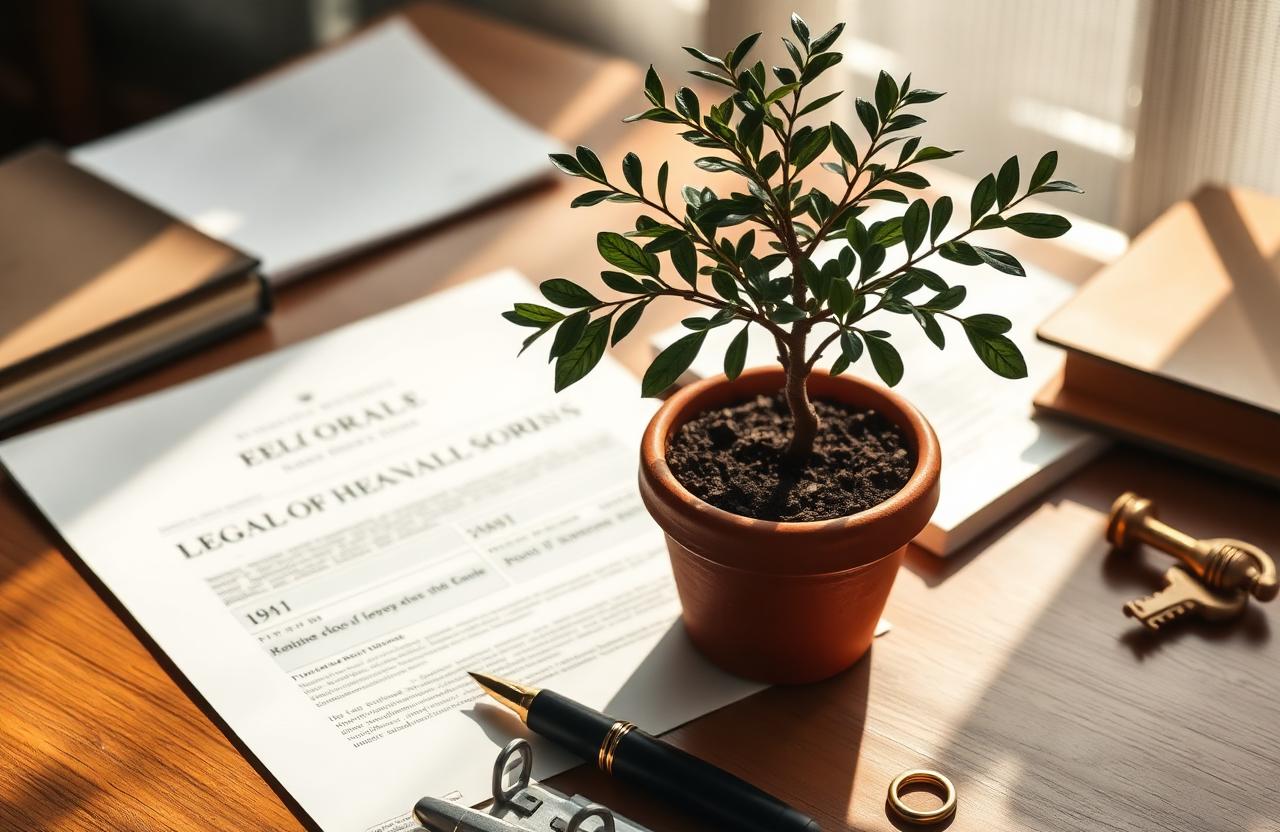
Estate planning is paperwork. Stewardship is a practice.
There is a moment in many estate-planning appointments when the folder is handed over and the client breathes out. Done. Checked off. Protected. But protection on paper is not the same as preparation in practice.
A will, a trust, and a beneficiary form are necessary tools. They are not, by themselves, a legacy. What transforms paperwork into stewardship is the rhythm that surrounds it — the regular review, the conversation at the dinner table, the question asked before a crisis forces it.
Stewardship is the belief that what you have been given is not yours alone. It carries an obligation to manage, to preserve, and to pass forward with intention. That obligation lives in behavior, not only in documents. A family with a trust but no shared understanding of its purpose has a legal structure without a cultural one. And culture is what determines whether the structure survives a generation.
We have seen families with modest assets move through loss with remarkable calm — not because they were wealthy, but because they were aligned. They knew what was intended, why it was structured that way, and how to honor it. We have also seen families with significant resources fracture over a single ambiguity that a conversation could have resolved years earlier.
The practice of stewardship is not dramatic. It is slow, steady, and largely invisible. It is the annual review of beneficiaries. It is the quiet explanation to an adult child about why a decision was made. It is the willingness to update a plan when life changes — marriage, birth, estrangement, reconciliation — instead of treating the document as finished.
At LegaNexus, we build the paperwork. But we also build the practice. Because a legacy left without stewardship is a house without a foundation. It may stand for a while. But it will not last.